This year, Kaneland High School has not added new rules or regulations. Instead, administrators are enforcing existing ones more efficiently to strengthen the safety, responsibility and well-being of students.
With both new and returning administrators, students now face more consistent consequences. Many are being held accountable for parking violations, skipping class, vaping or frequent tardiness.
Steven Lucas, the new Dean of Students, began the year with a clear goal: strengthen accountability while staying fair. Within his first semester, he increased consequences for students who repeatedly violated rules.
Lucas and Principal Melinda Cattell work together to determine punishments and suspensions. Repeat offenses lead to harsher outcomes.
“Everything is consistent across the board,” Lucas said. “One student doesn’t have a different consequence than another.”
Lucas believes fairness and consistency build trust and respect between students and administrators.
Some violations, such as parking issues, build on an escalating system. The first step is an email home, followed by stricter actions if the behavior continues. Other cases, like vaping, possession of nicotine or THC, and fighting, result in automatic consequences that any other student would receive for the same violation.
For a THC violation, a student will be out for three days, while students caught vaping will have a one-day in-school suspension. A fighting suspension depends on the severity, but they never go beyond 10 days, as that would involve expulsion.
“If a student is caught vaping or having nicotine or THC, or if they are fighting, there is no initial discussion with students,” Lucas said. “Parents are contacted immediately.”
Despite Lucas being focused on discipline, he aims to approach each student with understanding.
“If students are seen having a rough time, I try to be understanding and do what it takes to help the student in the long run,” Lucas said.
Lucas values communication with both students and parents, offering second chances when possible. Still, he knows that some students may struggle to want that change.
“Consequences don’t always work for kids if they don’t care,” Lucas said.
One of Lucas’s main goals is to reduce the number of tardies by half. He has made progress by emphasizing the importance of attending class.
“Students are coming to school, so they should be in class,” Lucas said.
Lucas believes that accountability starts with showing up and students respecting instructional time.
“There are no new rules, just more enforcement and accountability for students,” Lucas said. “That’s it. [We are] just holding kids accountable for their actions.”
Lucas also aims to create a safer school environment by reducing vaping and drug use.
“I want to get the drugs and nicotine out because I know peer pressure happens,” Lucas said.
Cattell shares his focus on fairness and consistency but also stresses student growth. She believes high school is a time for learning, both academically and socially.
“When you’re a high school student, this is the time where you’re learning,” Cattell said. “You’re going to make mistakes.”
Cattell emphasized that discipline is not about judgement.
“Mr. Lucas and I don’t judge kids when they make mistakes,” Cattell said. “We all make mistakes, and we just hope you don’t do it again. That’s why those consequences build up harder. We call it progressive discipline.”
Cattell explained that the goals of these consequences are to help students reflect and improve while keeping the school safe.
“The main goal is for a safe place,” Cattell said. “We want students to make mistakes or poor choices and then learn from them, but still get [their] education.”
Cattell views vaping as a health issue as well as a rule violation.
“If a student gets caught vaping and they have an in-school suspension, they have the option to watch videos to learn about the harms and consequences vaping has, ” Cattell said. “So we can have these kids watch these videos about the effects of vaping and how to help yourself, but it’s not going to work unless they want to. We’ve had quite a few kids who have actually been very open to it. They are stuck in this habit of addiction, and they want out of it.”
Cattell said this approach focuses on reinforcement and care.
“It’s just reinforcement because that’s the whole point,” Cattell said. “It’s enforcing these kids, not making new rules for them to follow.”
Cattell added that the purpose behind this system is simple.
“The reason why we do this is because school is important, and we want kids in the classroom as much as possible,” Cattell said.
On Monday, Nov. 10, some students received two lunch detentions for continued tardiness or absences, which surprised many since this rarely happened last year. The system assigned the detentions automatically. Students who had valid reasons or documentation could appeal.
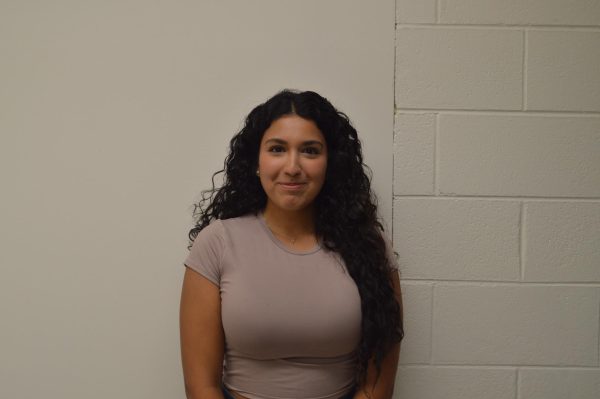
Senior Allie Curth, who has medical issues causing absences and tardiness, received one of these detentions. After the nurses explained her situation, it was cleared.
“I was just confused,” Curth said. “I knew there had to be some kind of mistake because I’m a good kid.”
For others, the detentions served as accountability for unexcused absences or skipped classes.
Together, Lucas and Cattell aim to make Kaneland safer and more supportive. Through consistent enforcement and fair treatment, they hope students learn responsibility and self-control while still feeling valued and understood.