When we talk about love, the conversation almost always steers towards romance. Movies, books and songs reinforce the idea that love is something you fall into with a partner. In doing so, we overlook the kinds of love that shape us far more deeply: friendships, family, mentors and even the communities we build around shared passions. Non-romantic love is not secondary to romantic love; it’s essential to who we are.
Friendships are often treated as something casual or replaceable. We assume the people who truly matter will just stick around without much effort on our end. In reality, strong friendships require both friends to put in equal effort. They take time, honesty and vulnerability, the same things we praise in romantic relationships. Yet, when our schedules get busy or life changes, friendships are usually the first relationships we push to the side and forget about. The result is not independence, but isolation.
Family relationships are often pushed to the side as well. While they can be complicated and imperfect, they are often the first place we experience love. Family teaches us many essential skills, like patience and forgiveness, even when it feels uncomfortable. These bonds influence our values and sense of identity, shaping how we interact with the world long before we realize it.
Non-romantic love is often the foundation that supports us throughout romantic relationships. Our friends and family are the people who know us when we aren’t trying to impress people, and they see us in our worst moments. These relationships teach us how to communicate and how to care for others, lessons we carry into every aspect of life.
Despite this, there is little social pressure to invest deeply in non-romantic relationships. We celebrate anniversaries and proposals, but rarely acknowledge years-long friendships. We are taught how to be a good partner, but not how to be an amazing friend. We may get jealous when we see a cute couple, but don’t have the same appreciation for friendships. This imbalance sends the message that non-romantic love is optional, when in reality it is necessary for emotional health and personal growth.
Putting time and energy into these relationships does not mean choosing them over romantic love. It means recognizing their equal value. Showing up for a friend, checking in on a family member or maintaining a connection with a coach or teacher requires effort that often goes unnoticed. But those small acts of care build trust and belonging. They remind us that we are not alone.
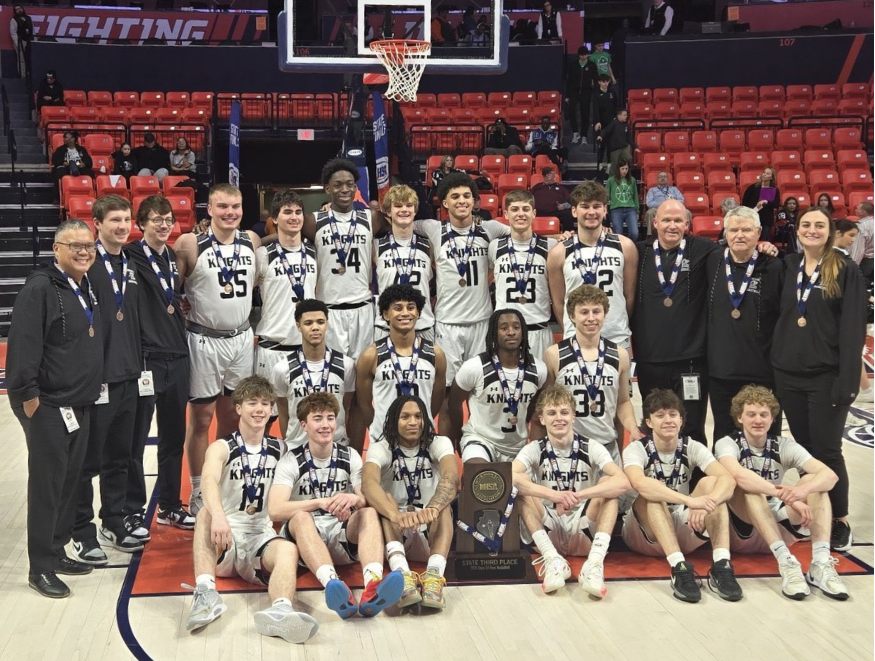
In a school environment, relationships with those around you shape daily life. Friends, teammates and classmates create spaces where students feel seen and supported. When we prioritize kindness and communication in these relationships, we build a stronger community. And when we don’t, the absence is felt in loneliness, burnout and disconnection.
Love is not limited to one person or one type of relationship. It exists in shared laughter, quiet support and mutual respect. Non-romantic love may not be idealized, but it is steady, grounding and simply human. If we want healthier relationships and a stronger sense of self, we need to start treating relationships with friends and family not as an afterthought, but as a priority.