It’s the holidays, a time of chilly snow, pretty lights and yummy food. It’s a time where people enjoy the warm feeling of togetherness, belonging and faith. The holidays are an extremely religious time of year, allowing hundreds of faiths to be practiced around the world. However, some beliefs aren’t as welcomed as others.
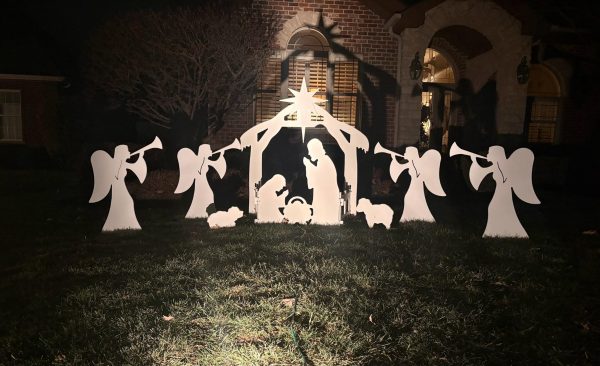
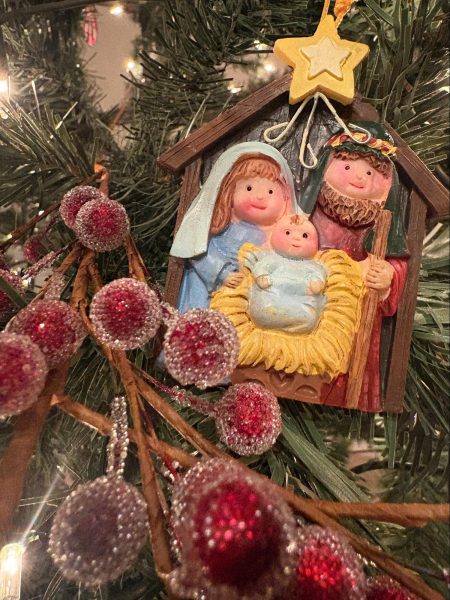
According to the Pew Research Center, 62% percent of the U.S. population are Christian, as of 2024. Christian religions follow God and Jesus as their divine lordship. Christianity became a large part of America’s culture during its colonization period, along with its holidays. Christmas is one of the most popular Christian holidays due to it being the birth of Jesus.
Christmas is celebrated by 91% of Americans, according to Aaron Earls in his Lifeway Research article. According to Earls, “Still, significant majorities of Americans of other religions (74%) and those with no religious affiliation (82%) also celebrate Christmas” People represented by those percentages are often discriminated against because of it.
“I grew up in a household where my mother was Lutheran and my father was Catholic,” special education teacher Angela Kusy said. “I faced prejudice for being a Lutheran at a Catholic school. They’re very close religions, but I dealt with prejudice from the pastor and nuns as well. The pastor would make offhand comments about my religion not being the right religion.”
She continued to explain that religious holidays shouldn’t be withheld from others. She stated that people should be allowed to celebrate what they want as long as they’re happy and not hurting anyone.
“It’s closed minded and it’s also a kind of selfish point of view,” Kusy said. “Everything through this lens of Christianity and that religion only. When you are being punished for your belief system it sticks to you. Just because people don’t believe in the exact thing as you doesn’t make your belief systems or your passion for your religion less valid.”
An April 2024 study by Erum Ikramullah from the Institute for Social Policy and Understanding (ISPU) shared that, “A majority of Muslims (74%) and Jews (66%) report facing religious discrimination within the past year.” The article also reported that most of these discriminatory occurrences happen in public from strangers. The Jewish holiday, Hanukkah, is still celebrated through decor and unity in the U.S. regardless of the hate that they face.

Muslims and Jews aren’t the only religions that are treated as inferior. Pagan religions also face common prejudice. Paganism is a branch of ancient and spiritual religions that often worship nature and polytheistic gods. Faiths like Druidry, Heathenry, Kemeticism and Hellenic Polytheism fall under the pagan category. Altars, feasts and spiritual offerings are common pagan traditions during the holiday season. In a Pagan Discrimination Survey by Steffy VonScott, they discovered that over 40% (41.46%) of respondents have been directly discriminated against because they were pagan. Over half of the respondents were told that they were “worshiping the devil” and “they will go to Hell” because of what they believe in.
Christians often don’t realize that Christmas comes from pagan origin. On December 21, the Norse people (people that practiced Heathenry) created a holiday called Yule, also known as the Winter Solstice.

Yule had common practices that the people would traditionally do to celebrate. As reported by a History of Christmas article, “In recognition of the return of the sun, fathers and sons would bring home large logs and set them on fire. The people would feast until the log burned out, which could take as many as 12 days.”
Yule was celebrated with the hanging of an evergreen, lighting of candles, reflection, feasting and exchanging gifts to others. However, as Rome converted into a Christian region, the History of Christmas article also informed that, “By holding Christmas at the same time as traditional winter solstice festivals, church leaders increased the chances that Christmas would be popularly embraced but gave up the ability to dictate how it was celebrated. By the Middle Ages, Christianity had, for the most part, replaced pagan religion.”
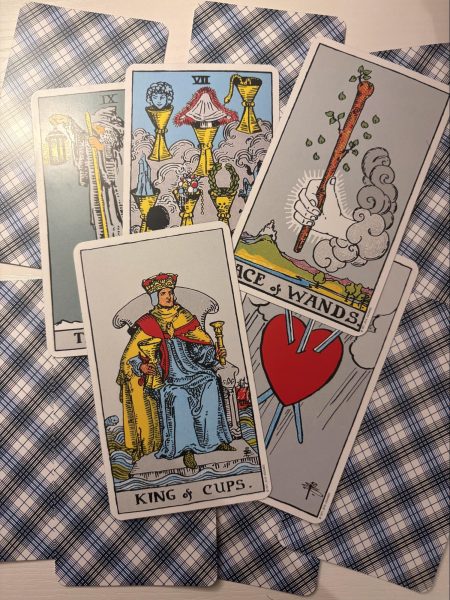
Despite the oppression the pagan holiday has faced, Yule is still being celebrated with the same practices as years before. There are new practices being introduced during the twelve nights as well, one of them being tarot pulling. For each month of the year, one can pull a tarot card that will represent said month. This allows people to predict what’s to come and how to reflect on the new year.