Just outside most major cities lies the end point of the clothing cycle: sprawling landfills where textiles are left to die. From a distance the mounds could almost resemble hills, but a closer look reveals piles upon piles of clothing, covering acres of land. How did these garments end up here?
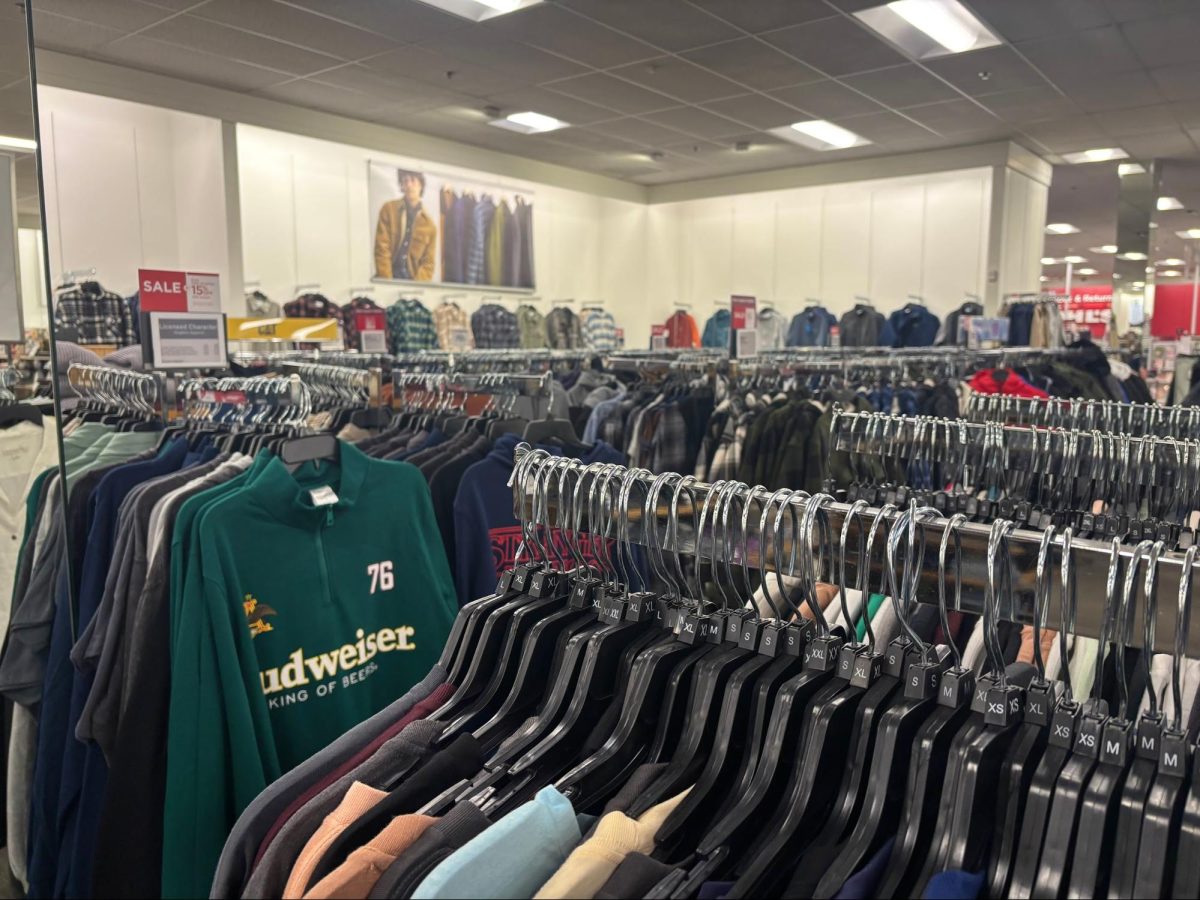
The main cause behind this issue is a phenomenon known as fast fashion. Fast fashion is a business strategy focused on rapidly producing trendy and inexpensive clothes at very high volumes to meet customer demand, often resulting in low quality garments and contributing to ma
ss waste. From the moment they leave the factory, these clothes begin their journey, arriving on store racks where they sit, waiting to be purchased.
For many shoppers, the appeal of fast fashion is simple. Why pay $60 for a shirt you might wear twice when you could pay $8 instead? Low prices make it easy to buy impulsively and often. If you look at a website like Shein, most of the clothes are barely 10 dollars, making it very easy for consumers to fall into that “why not?” mentality. Once purchased, the garments leave the store racks and warehouses and enter closets, beginning their short-lived life. There lies one of the first reasons why fast fashion is so popular.
Much of this affordability comes from the cheap materials fast fashion relies on. These clothes are able to stay so cheap due to the materials used for their production. Fast fashion typically uses polyester, nylon and acrylics, while traditional fashion uses higher quality materials such as cotton, linen and wool.
“The prices of sustainable fabrics are, on average, two and a half to four times more expensive in comparison to more commonly used fabrics,” said Mateusz Zawada, CFO of the slow fashion brand Starseeds, in a recent Wanderlust article, “This rise in price is partly because they’re more expensive for the manufacturers to produce.”
Alongside the affordability of these clothes, style and trends are another big factor in what keeps fast fashion afloat, creating a constant need within consumers to keep buying to stay relevant to trends and adapt to social media influences.
“Most clothes are out of my price range, but fast fashion is affordable for me,” college student Anzilina Pham said. “I want to be able to wear clothes that express myself, but I am unable to do so if I can’t afford the things I want.”
According to the University of North Carolina at Chapel Hill, garment production has doubled globally since 2000. The average consumer buys 60% more clothing, and keeps it for half as long. Fast fashion offers the temporary excitement of new purchases without the expectation of long-term wear. Once the novelty or trendiness of the clothes shifts, many pieces lose their value in the eyes of consumers, even if they are still physically functional.
After the clothes have gone through being manufactured, purchased and used, what happens after is just as important. Because fast fashion garments tend to wear out quickly, they are often donated or discarded within a year. According to the United States Environmental Protection Agency (EPA), Americans generate more than 15 million tons of textile waste every year, only 15% of which is collected for resale or recycling. The remaining 85% is discarded in landfills or incinerated. Though thrift stores help with mitigating some of the mass waste, much of what they receive cannot be resold due to damage, stains or lack of demand. The EPA also reports that only 20% of textiles donated to thrift stores are resold, as they are receiving more donations than they can process.
Eventually, these garments make their way to landfills. As mentioned before, most fabrics used in fast fashion are essentially plastics. Once buried, they ever so slowly break down into microplastics that seep into soil, rivers and oceans. Over time, these tiny particles can enter the food chain, affecting fish, wildlife and even humans. Even landfills themselves contribute to climate change, releasing greenhouse gases as waste decomposes. According to the American Public Health Association, materials like these can take up to 200 years to fully decompose, meaning that every cheap garment that gets carelessly thrown away like this leaves a legacy far longer than you’ll even be alive.
On top of that, traditional clothing brands struggle to compete with fast fashion, not because their products lack quality, but because the industry favors speed, affordability and trend appeal. Fast fashion companies flood the market with thousands of new items every month, making it nearly impossible for smaller or sustainable brands to keep up. They can’t compete with $8 shirts that will be replaced within weeks, further reinforcing a cycle where quantity is valued over quality, leaving long-term consequences for the environment and communities that support it.
Driving back past the city outskirts and seeing the landfills serves as a reminder of the clothes we throw away without a second thought. But the story doesn’t have to end here. Buying less, choosing higher quality fabrics, repairing what we have and supporting brands that prioritize sustainability can slowly shrink the piles. The hills of discarded clothing may be massive, but they are not inevitable. With awareness and action, we can flatten these hills.