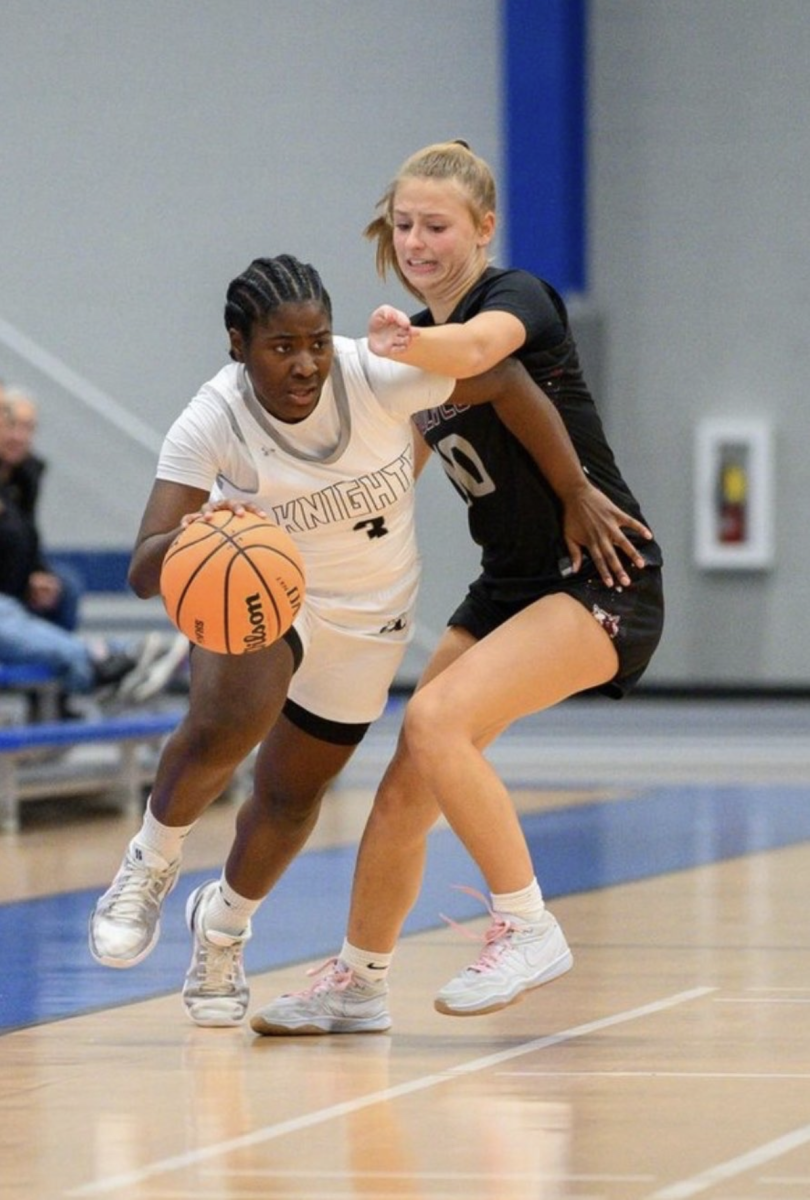
Student-athletes of all ages struggle with managing their school work, sports and home life. Many of their schedules look like this: a full, seven-hour school day followed by a couple hour long practice, getting home at an inconvenient time and having to complete any homework they received from the school day. Along with eating dinner, taking a shower and getting ready for bed, this creates a very late night for student-athletes. With due dates and tests piling up, it can add to the stress and responsibilities that are put upon them.
Although not all student-athletes’ schedules look like this, plenty of them do. To avoid stress and anxiety for them, student-athletes should receive more flexibility and leeway on school work. This would help them succeed academically and take away stress that could transfer into the sports atmosphere.
Sophomore Maddie Omiotek is a competitive dancer who is a part of the high school dance team and is on a team outside of school. She competes year round and has a busy schedule. She does have a small summer job of helping her mom in her hair salon. Omiotek does not think she would be able to handle having a job while she’s competing in dance during the school year.
“I think it’d be very hard to manage it with dance and school,” Omiotek said. “I just have so much homework and little free time.”
Omiotek believes that student-athletes need more flexibility on school work because their extracurriculars and homework for other classes take up most of their schedules. For herself, the only circumstance that would lead her to ask for an extension on an assignment is if she didn’t think that she could complete it to the best of her ability. She tries to avoid asking for leeway on her schoolwork because she feels it puts her behind all of her peers in that class.
From the standpoint of a teacher, opinions can vary. Teacher and football coach Michael Thorgesen believes that giving extensions to student-athletes is not a need, but managing their time better is.
“I think they need to take advantage of their study halls, Wednesdays after school before their practice starts or before games,” Thorgesen said. “There’s a lot of time that feels like it’s not available, but it is.”
Thorgesen is correct about the times that can be taken advantage of by students during the school week, but it isn’t that easy. Not every student has room for a study hall in their schedules, some students aren’t available to stay after school on Wednesdays and teachers aren’t always available to assist students. If students do stay after school on Wednesdays and want to get help from their teachers, it would be difficult to do that because they are in meetings on those days after school. So, although there are times throughout the day and week that students can use to catch up on work, not all of them are able to use that time.
Although some may disagree, data and statistics can support the argument that student-athletes need more leeway in school. According to the Children’s Hospital Colorado, sleep analysts conducted a study that measured the sleepiness of athletes. The results showed that 72% of athletes who felt well-rested were still playing three years later professionally, while only 14% of athletes who got less sleep stayed. When student-athletes stay up for hours completing homework after coming home from a practice or game on a school night, it can severely impact their sleep schedule. The less sleep they get, the more it affects their athletic performance, and it can even have an impact on their futures as athletes.
Sophomore Kim Hartkopp believes that both student-athletes and students with jobs deserve some sort of extension on school work in order for them to succeed, but not too much of one.
“I feel like too much time is them just not putting in effort to do it and just putting it off,” Hartkopp said. “But I feel like having a little bit of time is good for them.”
Hartkopp manages to work a job at a pizza place while playing a sport in the fall and spring. She sometimes spends up to an hour per night on homework. Although she has a busy schedule, she chooses both a job and a sport and it works out well for her.
Some may argue that giving more flexibility to student-athletes would be unfair to other students, but this doesn’t have to be the case. Giving more time on an assignment to a student- athlete is not unfair; it’s simply ensuring that every student can end with the same result. The same knowledge gained, skills attained and amount of time to complete the work.
Student-athletes should receive more extensions on school work and assignments to take a load off their shoulders. Quickly, their responsibilities for school, sports and home lives pile up, and inflexible deadlines can make that even more stressful for them. Giving them more flexibility can prevent putting stress on them at such a young and crucial age.