Almost every day I’m asked, “What do you want to do when you’re older?” At school events, “What do you want to do when you’re older?” At every family function, “What do you want to do when you’re older?” I’m tired of it. Being asked repeatedly makes me feel like it’s some sort of race I’m already behind in. I see friends who already have their futures planned out, and sometimes I wonder if I’m the only one still confused. I’m expected to choose one career that I will have to do for the rest of my life before I’ve even experienced most of it. How am I supposed to make such a daunting decision this early on? What if I don’t pick the right path?
According to a 2024 study by the American Psychological Association, 28% of workers are not in their preferred line of work and are unable to get out of it. This phenomenon is called being “stuck,” and it shows higher levels of fatigue, slight depression and headaches compared to those who enjoy what they do for work. Overall, job boredom is associated with increased life dissatisfaction and increases in anxiety and depression symptoms. Knowing so many people take the “right” steps to get an education and pick a career and still end up unhappy isn’t reassuring in the slightest. What guarantee do I have that I won’t become stuck too?
There has also been growing concern that a lot of jobs students are currently getting an education for might become obsolete in the future due to the rapid development of AI and technology. A study by Goldman Sachs predicts there will be a loss of up to 300 million full-time jobs by 2030. The job market is already competitive, let alone the creative side of it. I’ve considered going into the art-focused field, but that might not even be a viable option for me anymore with AI’s fast and cost efficient image generation. It’s hard to stay motivated when I’m putting time and effort toward a career that will barely even exist by the time I finish school.
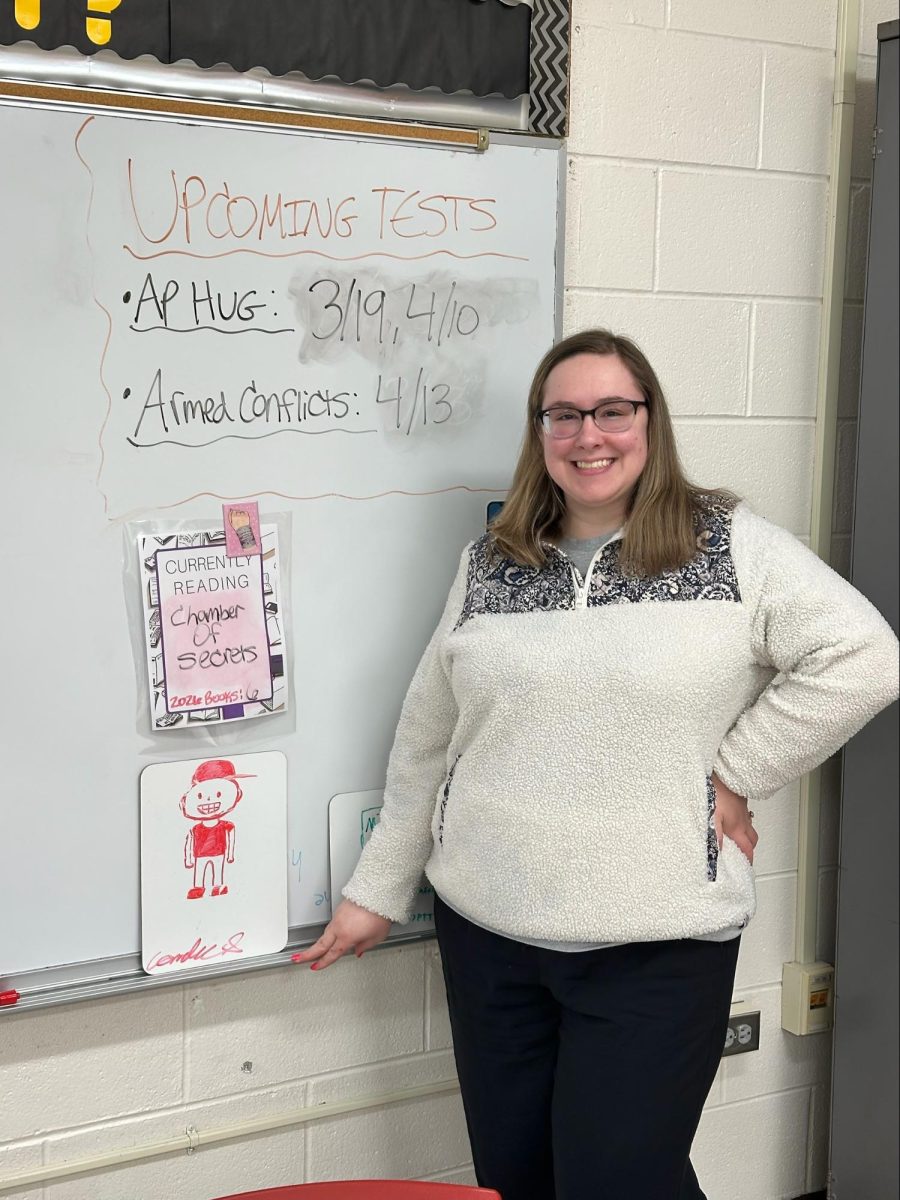
“It’s just becoming much easier for companies to utilize AI instead of having to pay somebody a hundred thousand dollar salary to code for them,” high school guidance counselor Matthew Brodhead said.
People often tell me I’m still young and I don’t necessarily need to know what I want to do in the future right now, but that’s not entirely true. A lot of jobs require specific college classes, which rely on the classes I take in high school. If I don’t start planning now, I might miss opportunities in the future simply because I don’t meet the requirements. That’s why knowing the general direction I want to go in right now is important.
Some also might argue that I can always pivot my career if necessary, and while it is technically possible, it’s not always accessible to everyone. Switching to a new career could require lots of time and money that many do not have. It could mean starting education over at a college level for a second degree, which Accredited Schools Online reports could cost up to $30,000, not including living expenses or the income lost from a current job to accommodate for classes.
At the end of the day, I’m not saying I’ll never figure it out. I just don’t think I should be expected to have it all figured out right now. Given how many adults end up unhappy with careers they don’t enjoy and how quickly the job market is changing, I believe it’s unrealistic to expect students to know their exact career path so early. I want the chance to explore my options without feeling like one wrong choice could ruin my job opportunities. So the next time someone asks me, “What do you want to do when you’re older?” I hope they’re ready to hear, “I don’t know” for a while.